

 Order Contact Lenses
 Dry Eye Treatment

The Role of Prescription Eye Drops in Treating Dry Eye
Blog:The Role of Prescription Eye Drops in Treating Dry Eye
The Role of Prescription Eye Drops in Treating Dry Eye
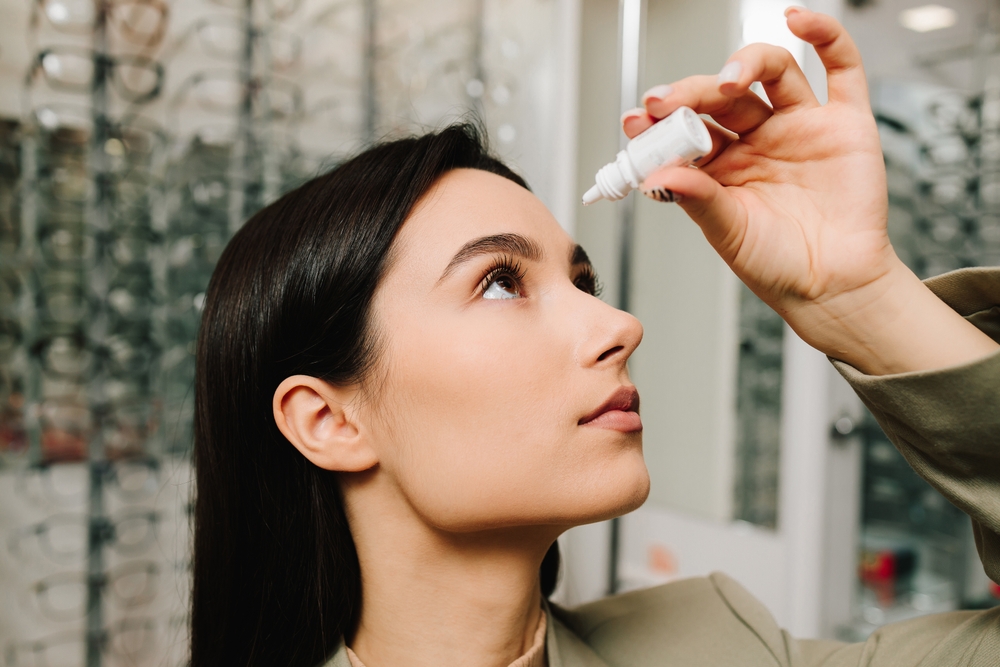
Dry eye is not always a simple moisture problem. In many cases, it involves tear film instability, inflammation, or poor oil gland function that affects how well the eyes stay comfortable throughout the day. While over-the-counter lubricating drops can help some patients, they do not always address the underlying cause. Prescription eye drops can play an important role when symptoms are ongoing, moderate, or affecting daily life. Prescription eye drops are designed to do more than add temporary moisture. Depending on the type recommended, they may help reduce inflammation, improve tear production, or support a healthier surface of the eye. This matters because dry eye treatment should focus on long-term relief, not just short-term comfort. For patients with persistent burning, stinging, fluctuating vision, or irritation, prescription treatment may be part of a more targeted care plan. Not every patient with dry eye needs prescription medication, but it can be helpful in the right situation. We may consider prescription eye drops when symptoms continue despite using artificial tears or when testing shows signs of inflammation or tear deficiency. Dry eye is often caused by more than one issue, which is why treatment may need to be layered. Prescription eye drops can be very effective, but they are often just one part of care. At our office, we look at the full picture before recommending treatment. That may include evaluating tear quality, inflammation, and meibomian gland function so we can match treatment to your needs. Some patients respond well to prescription eye drops alone, while others benefit from combining them with in-office dry eye treatments or lifestyle changes. The goal is to improve comfort, support eye health, and help prevent symptoms from becoming more disruptive over time. A personalized approach also helps us adjust treatment as your symptoms change. Because dry eye can have several causes, an exam is the best place to start. We use dry eye evaluations to understand what is contributing to your symptoms and whether prescription treatment is appropriate. From there, we can recommend the right next steps based on your eyes, your symptoms, and how long the problem has been going on. Contact Primary EyeCare Center in Alvin, TX by calling (281) 331-8681 to schedule a dry eye evaluation. Why Dry Eye Often Needs More Than Artificial Tears
How Prescription Eye Drops Help Treat Dry Eye
When We May Recommend Prescription Eye Drops
Prescription Drops Are Part of A Bigger Treatment Plan
Personalized Care Leads To Better Relief
Why An Eye Exam Matters For Dry Eye Treatment
Quick Links
Helpful Articles
article_category: products
article_category: psychiatry
article_category: faqs
article_category: cats
article_category: general
article_category: services
article_category: technology
article_category: dogs
article_category: restorative
article_category: vision therapy
article_category: contact lenses
article_category: health
article_category: conditions
article_category: eye surgery co-management
article_category: exotic
article_category: cosmetic
article_category: surgical procedures
article_category: aesthetics
article_category: preventative
article_category: ocular disease management
article_category: eyeglasses
article_category: eye health
article_category: large animal
[]
article_category: psychiatry
article_category: faqs
article_category: cats
article_category: general
article_category: services
article_category: technology
article_category: dogs
article_category: restorative
article_category: vision therapy
article_category: contact lenses
article_category: health
article_category: conditions
article_category: eye surgery co-management
article_category: exotic
article_category: cosmetic
article_category: surgical procedures
article_category: aesthetics
article_category: preventative
article_category: ocular disease management
article_category: eyeglasses
article_category: eye health
article_category: large animal
[]
Flowbite is an open-source library of interactive components built on top of Tailwind CSS including buttons, dropdowns, modals, navbars, and more.
Check out this guide to learn how to get started and start developing websites even faster with components on top of Tailwind CSS.

All Eyecare Services
We offer a wide variety of eye care services to the Alvin community. Contact us with any questions about our services.

Keep In Touch
For non-urgent questions or to learn more about our services, contact us today!

Contact Information
Office Hours
- Monday 8:00am - 7:00pm
- Tuesday 8:00am - 5:00pm
- Wednesday 8:00am - 5:00pm
- Thursday 8:00am - 5:00pm
- Friday 8:00am - 5:00pm
- Saturday Closed
- Sunday Closed
- Monday
- Tuesday
- Wednesday
- Thursday
- Friday
- Saturday
- Sunday
- Monday
- Tuesday
- Wednesday
- Thursday
- Friday
- Saturday
- Sunday
© 2026 Texas State Optical Alvin. All rights Reserved - Accessibility Statement - Privacy Policy - Sitemap
Managed and Designed by 