

 Order Contact Lenses
 Dry Eye Treatment

Can Eye Exams Detect Underlying Health Problems?
Blog:Can Eye Exams Detect Underlying Health Problems?
Can Eye Exams Detect Underlying Health Problems?
When most people think about eye exams, they think about updating a glasses or contact lens prescription. While clear vision is an important benefit, comprehensive eye exams do much more than that. In many cases, an eye exam can reveal early signs of serious underlying health conditions - sometimes before symptoms appear elsewhere in the body.
Your eyes offer a unique window into your overall health. Because eye doctors can directly observe blood vessels, nerves, and tissues without invasive procedures, routine eye exams play a critical role in preventive healthcare.
How Eye Exams Reveal More Than Vision Issues
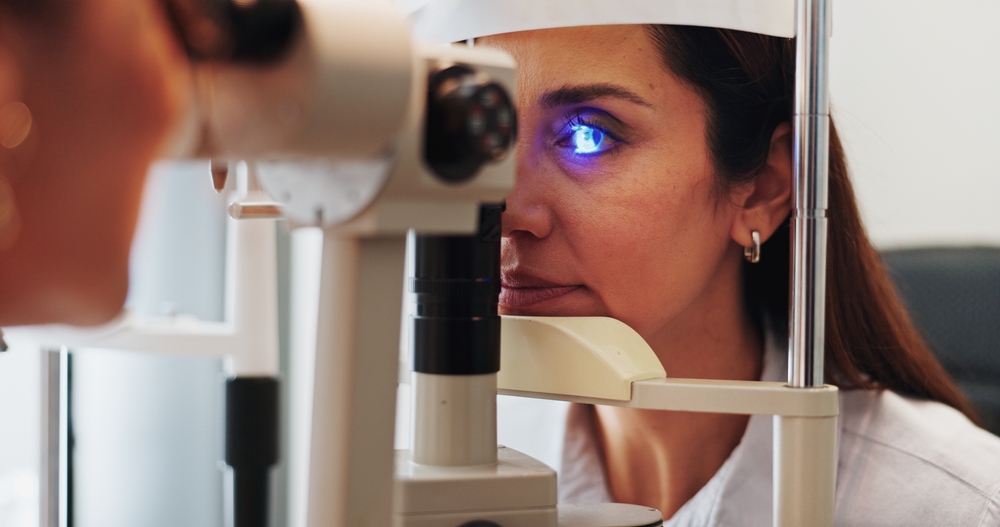
During a comprehensive eye exam, your optometrist evaluates far more than visual acuity. Advanced tools and detailed examinations allow them to assess the retina, optic nerve, blood vessels, and eye pressure. Changes in these structures can signal systemic health concerns that may require medical follow-up.
In many cases, patients are unaware of these issues until they are identified during an eye exam.
Health Conditions That Can Be Detected Through Eye Exams
Diabetes
One of the most common conditions detected through eye exams is diabetes. Diabetic retinopathy - damage to the blood vessels in the retina - can often be seen before a patient has been formally diagnosed with diabetes. Early detection is critical, as vision loss from diabetes can often be prevented with timely treatment and proper blood sugar control.
High Blood Pressure (Hypertension)
Eye doctors can observe changes in retinal blood vessels that indicate high blood pressure. Narrowed, twisted, or leaking vessels may suggest hypertension, even if a patient has no other noticeable symptoms. Identifying this early can help reduce the risk of heart attack, stroke, and other complications.
High Cholesterol
Yellowish deposits in the blood vessels of the retina or around the eyes can be signs of elevated cholesterol levels. Left untreated, high cholesterol increases the risk of cardiovascular disease.
Autoimmune and Inflammatory Diseases
Conditions such as lupus, rheumatoid arthritis, and multiple sclerosis can cause inflammation in various parts of the eye. Symptoms like unexplained redness, pain, dryness, or vision changes may point to an underlying autoimmune issue that requires further medical evaluation.
Neurological Conditions
The optic nerve is directly connected to the brain, making eye exams valuable for detecting neurological issues. Swelling of the optic nerve, abnormal eye movements, or visual field changes may signal conditions such as brain tumors, multiple sclerosis, or increased intracranial pressure.
Thyroid Disease
Thyroid disorders, particularly Graves’ disease, can cause bulging eyes, double vision, dryness, or pressure behind the eyes. These signs may appear before a patient is diagnosed with a thyroid condition.
Why Regular Eye Exams Matter
Many systemic health conditions develop silently, with few or no early symptoms. Routine eye exams help catch subtle changes before they progress into more serious problems. Early detection not only protects your vision but can also prompt timely medical care that improves overall health outcomes.
Eye exams are especially important if you have risk factors such as diabetes, high blood pressure, a family history of eye disease, or are over the age of 40. However, even young and healthy individuals benefit from regular comprehensive exams.
Eye Exams as Part of Preventive Healthcare
Think of your eye exam as part of your overall wellness routine - just like annual physicals or dental checkups. Optometrists often work alongside primary care physicians and specialists to ensure patients receive coordinated care when potential health concerns are identified.
By prioritizing eye health, you are taking an active step toward protecting your long-term vision and overall well-being.
Protect More Than Your Vision - Schedule Your Eye Exam at Texas State Optical Today
Eye exams do far more than check how well you see. They can uncover early warning signs of serious health conditions such as diabetes, high blood pressure, high cholesterol, neurological disorders, and autoimmune diseases. Regular comprehensive eye exams play a vital role in preventive healthcare, helping catch problems early - sometimes before you even notice symptoms.
Schedule your comprehensive eye exam at Texas State Optical today. Visit our office in Alvin, Texas, or call (281) 331-8681 to book an appointment.
Quick Links
Helpful Articles
article_category: products
article_category: psychiatry
article_category: faqs
article_category: cats
article_category: general
article_category: services
article_category: technology
article_category: dogs
article_category: restorative
article_category: vision therapy
article_category: contact lenses
article_category: health
article_category: conditions
article_category: eye surgery co-management
article_category: exotic
article_category: cosmetic
article_category: surgical procedures
article_category: aesthetics
article_category: preventative
article_category: ocular disease management
article_category: eyeglasses
article_category: eye health
article_category: large animal
[]
article_category: psychiatry
article_category: faqs
article_category: cats
article_category: general
article_category: services
article_category: technology
article_category: dogs
article_category: restorative
article_category: vision therapy
article_category: contact lenses
article_category: health
article_category: conditions
article_category: eye surgery co-management
article_category: exotic
article_category: cosmetic
article_category: surgical procedures
article_category: aesthetics
article_category: preventative
article_category: ocular disease management
article_category: eyeglasses
article_category: eye health
article_category: large animal
[]
Flowbite is an open-source library of interactive components built on top of Tailwind CSS including buttons, dropdowns, modals, navbars, and more.
Check out this guide to learn how to get started and start developing websites even faster with components on top of Tailwind CSS.

All Eyecare Services
We offer a wide variety of eye care services to the Alvin community. Contact us with any questions about our services.

Keep In Touch
For non-urgent questions or to learn more about our services, contact us today!

Contact Information
Office Hours
- Monday 8:00am - 7:00pm
- Tuesday 8:00am - 5:00pm
- Wednesday 8:00am - 5:00pm
- Thursday 8:00am - 5:00pm
- Friday 8:00am - 5:00pm
- Saturday Closed
- Sunday Closed
- Monday
- Tuesday
- Wednesday
- Thursday
- Friday
- Saturday
- Sunday
- Monday
- Tuesday
- Wednesday
- Thursday
- Friday
- Saturday
- Sunday
© 2026 Texas State Optical Alvin. All rights Reserved - Accessibility Statement - Privacy Policy - Sitemap
Managed and Designed by 